How to choose the right countersink for wood
When choosing a countersink for wood, the most important thing is to determine whether you only need to countersink an already drilled hole or whether you want to drill a pilot hole and create a recess for the screw head in a single operation.
Do you want to fit the countersink onto your own drill bit?
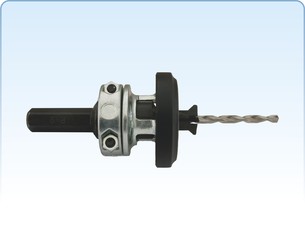
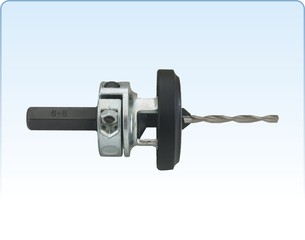
Slip-on countersinks are mounted onto a twist drill bit. They are ideal when you want to drill and simultaneously create a countersink for the screw head while using a drill bit of the required diameter.
Do you need to drill and countersink with one tool?
Pilot drills with countersinks allow you to drill a pilot hole and recess the screw head in a single operation. They are selected according to the type of fastener being used, for example for hex socket screws or countersunk-head screws.
Do you work with multiple sizes or perform repetitive tasks?
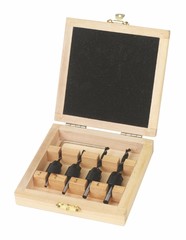
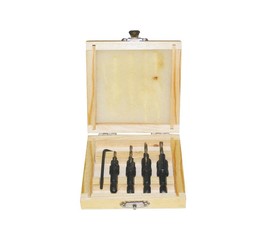
countersink for wood and drill bit sets are practical when you need a range of sizes for different screws and applications. They save time during installations, repairs, and everyday workshop work.
Do you need a specialised installation tool?
For specific tasks, specialised tools such as flooring pilot drills with guides or confirmat drill bits are available. These tools should be selected according to the type of joint and the required result.
Where and how countersink for wood are used in practice
countersink for wood are commonly used in furniture assembly, sheet material processing, timber construction, cladding installation, flooring work, and general workshop repairs.
They help prepare a hole so that the screw head sits properly within the material and does not protrude above the surface. This results in a cleaner joint, improved safety, and a surface that is better prepared for further finishing.
Pilot drills with countersinks also save time because the hole and countersink are created in a single operation without changing tools.
How to work with countersink for wood
Use a countersink for wood with a sharp drill bit or pilot drill and guide the tool perpendicular to the surface. It is important to work smoothly and avoid excessive pressure to minimise tear-out of the wood fibres.
With slip-on countersinks, first adjust the countersink position on the drill bit according to the required depth. When using pilot drills with countersinks, pay particular attention to drilling depth so that the recess matches the head of the screw being used.
Recommendations for a clean result
- Use a sharp tool and a steadily guided drill.
- Test the countersink depth on a scrap piece of material first.
- Do not apply more pressure than necessary.
- Work carefully on visible surfaces to avoid tearing the wood fibres.
- Select the tool according to the type of screw or fastener being used.
How is the product range further divided?
Within the countersink for wood category, products can be selected according to the method of hole preparation and the type of fastener being used.
Adjustable wood countersinks
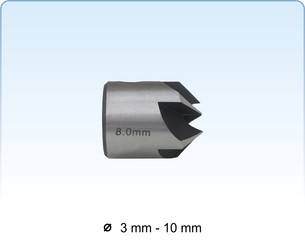
For creating a recess for screw heads. A suitable solution when you have already selected the drill bit and only need to add a countersink.
Pre-drills with adjustable countersink for Imbus or Hexagonal wood screws
For drilling pilot holes and creating recesses for hex socket screw heads. Suitable for installations requiring precise guidance and clean screw seating.
Pre-drills with adjustable countersink for countersunk head wood screws
For drilling and countersinking in one operation when using countersunk-head screws. Particularly useful for repetitive assembly work in wood and sheet materials.
countersink for wood and Drill Bit Sets
Suitable for workshops, installations, and applications requiring multiple sizes. They allow quick size changes according to the screw or joint being used.
Deck angle guide + countersink
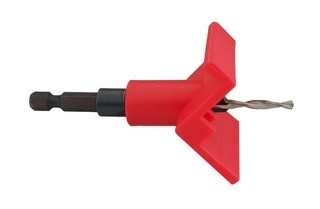
Designed for applications requiring repeated drilling and countersinking at the same angle or position. The guide helps maintain more accurate tool alignment.
Confirmat Drill Bits
Designed for preparing holes for confirmat screws used in furniture and sheet material assembly.
Hide Description