How to choose the right countersink for metal
When choosing a countersink for metal, it is important to focus on the material being machined, the desired countersink shape, and the intended working method. One type of countersink may be suitable for simple edge chamfering after drilling, another for precise screw seating, and another for materials that produce long continuous chips during machining.
What metal will you be machining?
For standard structural steels, aluminium, and non-ferrous metals, a standard HSS countersink is usually sufficient. It is suitable for general workshop work, assembly tasks, and finishing drilled holes.
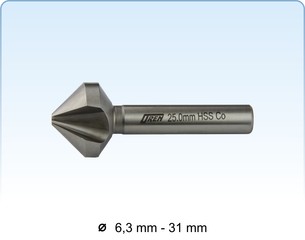
If you regularly work with stainless steel or tougher materials, it is worth choosing an HSS-Co countersink. The cobalt version offers greater resistance to heat and wear, which is particularly important for demanding or frequent machining operations.
For materials that tend to produce long continuous chips, efficient chip evacuation is also important. In such cases, countersinks with a cross-hole design are especially beneficial because they improve chip removal and provide a smoother cutting action.
What type of countersink do you need?
The range includes several designs depending on whether you need to modify an existing hole or drill and countersink in a single operation.
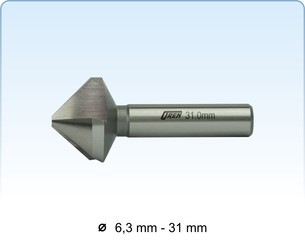
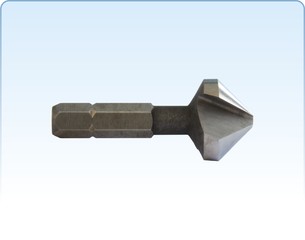
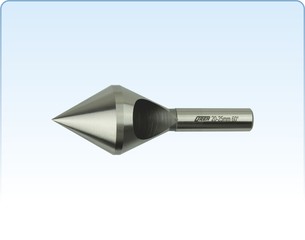
- Conical countersinks are mainly used for recessing countersunk-head screws, chamfering sharp edges, and cleaning drilled holes. You can choose standard conical designs or multi-flute versions that help achieve a smoother countersunk surface.
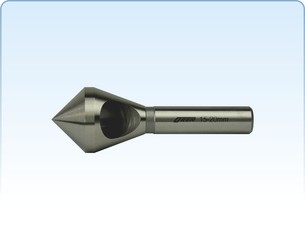
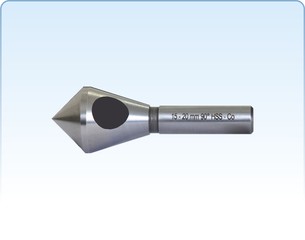
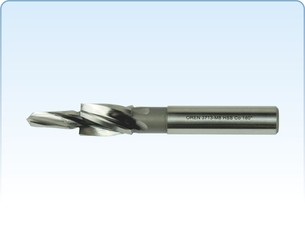
- Countersinks with a cross-hole provide smoother cutting and improved chip evacuation. They are particularly suitable for materials that produce long chips and for applications where stable cutting performance is important.
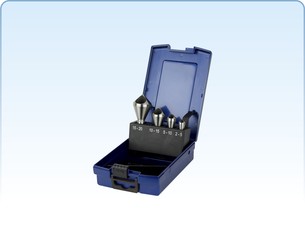
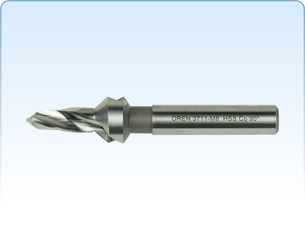
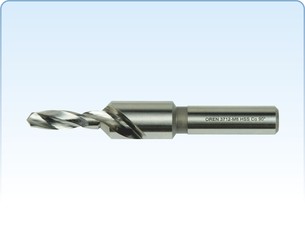
- Step drills with countersinks allow drilling and countersinking in a single operation. They are ideal when you want to prepare both the hole and the recess for the screw head without changing tools.
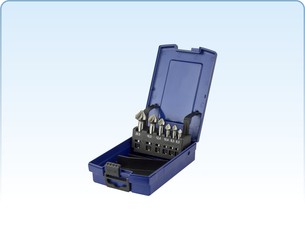
- Countersink sets are practical for workshops, maintenance departments, and regular use because they provide multiple sizes for different hole diameters and screw dimensions.
What countersink angle do you need?
The most common version is the 90° countersink, which matches most metric countersunk-head screws. It is used for general countersinking operations and for recessing screw heads flush with the material surface.
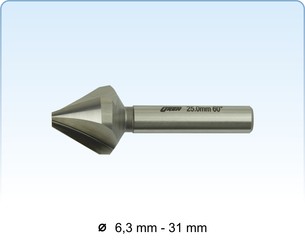
Some specialised applications require 60° countersinks. These should be selected when the angle corresponds to the specific fastener or required hole geometry.
What machine will you use?
Most countersinks for metal feature a straight shank for standard tool holding. They can be used in hand drills, cordless drills, pillar drills, or other machines with suitable chucks.
For demanding machine applications, Morse taper versions are also available. These are primarily used where stable mounting, precise guidance, and repetitive machining operations are required.
Where and how countersinks for metal are used in practice
Countersinks for metal are common tools in engineering workshops, metal fabrication, manufacturing, assembly, and maintenance operations. They are typically used after a hole has been drilled and requires further finishing.
Typical applications include:
- manufacturing steel structures,
- assembling machine components,
- producing electrical cabinets and metal enclosures,
- manufacturing fixtures and moulds,
- repair and maintenance of machinery and equipment.
The most common application is recessing screw heads so that they sit flush with the material surface. In addition, countersinks are used for chamfering sharp edges and removing burrs created during drilling. A properly finished hole is safer, cleaner, and better prepared for subsequent assembly operations.
How to work with countersinks for metal
A countersink is usually used after drilling the hole. For a clean finish, it is important to select the correct speed, work smoothly, and avoid excessive feed pressure. The countersink should cut the material rather than being forced into it.
An exception is the step drill with countersink, which combines drilling and countersinking in a single operation. These tools are ideal when you want to create the hole and prepare the recess for the screw head simultaneously. Even with these tools, it is important to use appropriate speeds, maintain stable guidance, and allow the tool to remove material smoothly.
Recommendations for achieving the best results
- Use lower speeds than for standard drilling.
- Allow the tool to cut smoothly without excessive pressure.
- Use cutting oil or suitable lubricant when machining steel and stainless steel.
- Remove chips regularly, especially when working with materials that produce long chips.
- Always secure the workpiece firmly.
Common countersinking mistakes
Common mistakes include using excessive speed, applying too much pressure, working with a dull countersink, or machining stainless steel without lubrication. These issues can result in tool vibration, rough surfaces, burr formation, or improper seating of the screw head.
A sharp, properly selected countersink produces a clean, burr-free surface and ensures accurate seating of the screw within the hole.
How is the product range further divided?
Within the metal countersink category, products can primarily be selected according to tool design and working method. The tool material, such as HSS or HSS-Co, further refines the selection based on the required performance level.
Conical Countersinks for Metal
Used for recessing countersunk-head screws, chamfering edges, and cleaning drilled holes. Depending on the design, they may feature multiple cutting edges for a smoother countersunk finish.
Countersinks with a Cross-Hole
Designed for smoother cutting and improved chip evacuation. They perform particularly well in materials that produce long chips and in applications requiring stable cutting action.
Step Drills with Countersinks
Allow drilling and countersinking in a single operation. Ideal when you need to prepare a hole for a countersunk screw head without changing tools.
Countersink Sets for Metal
Suitable for workshops, maintenance work, and repetitive applications involving multiple hole diameters. They provide a convenient selection of sizes for different holes and screw types.
Tool Materials: HSS and HSS-Co
HSS is the standard choice for general-purpose applications. HSS-Co is selected for more demanding machining operations and materials that place greater stress on the tool, where such use is specified for the product.
Hide Description